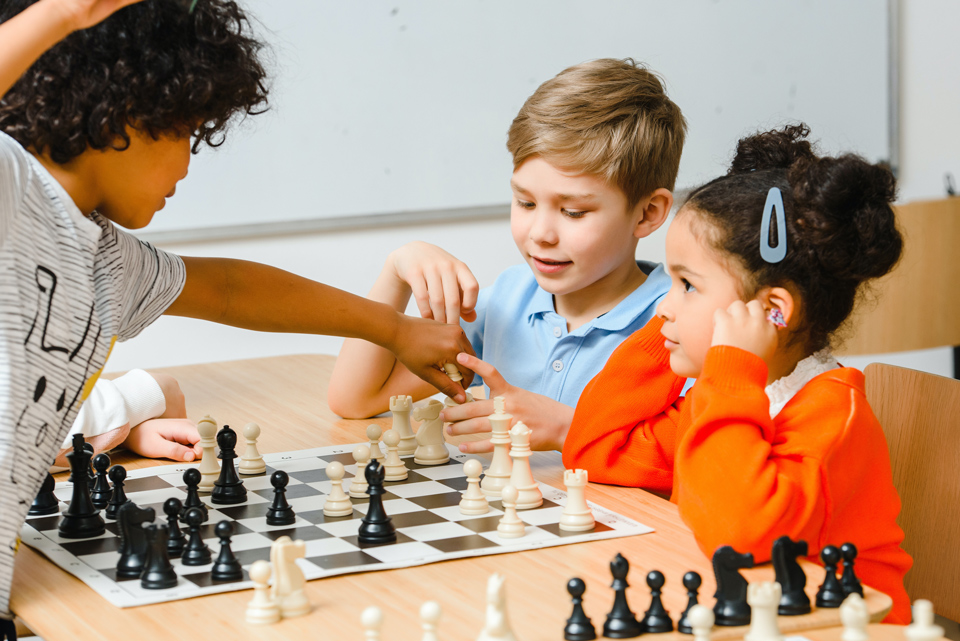

Building Friendships – Finding Friends When You Have High Learning Potential
When it comes to friendships, children aren't really that different to us as adults; they are more likely to be drawn towards those with whom they [...]
When it comes to friendships, children aren't really that different to us as adults; they are more likely to be drawn towards those with whom they [...]
Self-Regulation Self-regulation means the ability to ‘regulate yourself’; to appropriately monitor your thoughts, control your reactions and respond appropriately to your environment. Ideally, your end goal [...]
Assessment is due a rethink. Our young people deserve an assessment system that goes way beyond focusing solely on academic achievement with a constant eye on [...]
Being there for a young person singled out due to their ability What is Bullying? “Bullying is the repetitive, intentional hurting of one person or group [...]
How to Cultivate Good Judgement in Academic Work and Daily Life ‘Critical thinking’ means to ‘positively critique’; to successfully judge between fact and opinion, draw reasonable [...]
Fascination Folders, a place where students can access more information and challenging activities about a topic, can be used in the classroom or electronically during remote [...]
Non-confrontational lessons and insights from Kaavan the rescue elephant Kaavan’s mental journey is a marvellous and non-intimidating parallel that we can use to teach young people [...]
‘Unusual’ in both their potential and in their obstacles? Here is a simple guide to Dual or Multiple Exceptionality (DME). Is your child (or student) clearly [...]
With a high potential learner, building confidence sometimes means taking one uneasy step at a time. Fortunately, with the right support it won’t be ‘a bridge [...]
Extension and enrichment are two ways of making learning more challenging for learners with higher ability. This article discusses the difference between them and provides examples [...]